💬 Let’s Talk Protein: Why It Matters More Than You Think
We’ve all heard it before: “Eat more protein!” But between school runs, busy workdays, and keeping on top of life, are you actually getting enough?
As we step into Autumn — a natural time to reset routines — it’s worth taking a closer look at what protein really does for your body and how you can get more of it without overcomplicating things. fasciitis often appears suddenly, but it typically results from a combination of strain, biomechanics issues, and external factors.
🌟 What Is Protein, Really?
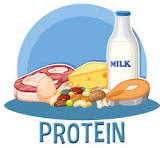
Protein is one of the three main macronutrients (alongside carbs and fats). Think of it as your body’s building blocks. It’s made of amino acids, which your body uses every single day for:
- Building and repairing muscles, skin, hair, and nails
- Producing hormones and enzymes
- Supporting your immune system
- Keeping bones strong
Here’s the catch: unlike carbs or fat, your body can’t store protein for later. That means you need to top it up daily.
🥩 Plant vs Animal Protein: Do You Need Both?
Animal protein (meat, fish, poultry, eggs, dairy):
✔️ Contains all nine essential amino acids — making it a “complete” protein
✔️ Easy for your body to absorb and use
Plant protein (beans, lentils, chickpeas, tofu, quinoa, nuts, seeds):
✔️ Often missing one or two amino acids, but combining foods (like beans + rice) makes them complete
✔️ Packed with fibre, antioxidants, and extra nutrients
👉 The sweet spot? A mix of both. But with good planning, even a fully plant-based diet can hit your protein needs.
🌸 Why Protein Is Crucial in Midlife & Menopause
As oestrogen declines during perimenopause and menopause, protein becomes even more important. Here’s why:
- Muscle Mass – We naturally lose muscle faster, but protein + strength training slows this down.
- Bone Health – Protein supports bone density and helps protect against osteoporosis.
- Metabolism – Muscle burns more calories at rest; keeping it means keeping your metabolism stronger.
- Fullness & Energy – Protein keeps you satisfied and helps prevent blood sugar dips and cravings.
- Recovery – Essential for bouncing back after workouts (or just long busy days!).
💡 Research suggests midlife women may need 1.2–1.6g of protein per kg of body weight daily — that’s more than the standard 0.8g guideline.
🥗 Easy Ways to Add More Protein to Your Day
- Include protein at every meal, not just dinner.
- Start strong at breakfast — try eggs, Greek yoghurt, a protein smoothie, or tofu scramble.
- Choose protein-rich snacks: cottage cheese, boiled eggs, hummus with veggies, or a protein shake.
- Bulk up meals with beans, lentils, or chickpeas.
- Swap refined carbs for higher-protein options like quinoa, edamame pasta, or lentil wraps.
- Add seafood like salmon, tuna, prawns or white fish.
- Mix it up — variety keeps it interesting.
✨ The Takeaway
Protein isn’t just for athletes or bodybuilders. It’s the foundation for strength, bone health, energy, and confidence — especially in midlife. By spreading protein through your day and combining different sources, you’ll feel stronger, more energised, and better equipped to thrive through menopause and beyond.
💛 Ready to put this into practice?
- Join one of my online classes for guidance that fits your lifestyle.
- Explore my coaching programmes if you want a more personalised plan.